A guided tour · December 2026
Sri Lanka
Towns to walk around, things to read about,
and a few that are simply worth the drive.
What you told Chanu you wanted
“I'm probably more into vibes and walking around than activities.”
“What I'm likely to do is read about the place and its history and try to walk around and see interesting landmarks.”
“A coastal town is a very nice vibe.”
So this deck is sorted by that
Places you can walk, that have a story, and that reward staying a few days rather than ticking off. Activities appear where they're genuinely worth it — whales, a safari, one train.
It cuts both ways: the country's biggest “sights” aren't always the best fit. Where something is famous but doesn't suit you, I've said so.
And what Chanu said — she lives there
“Galle is an excellent base.”
“You might also enjoy going ‘up country’ to the tea areas. And Sigiriya / Dambulla.”
“Haputale is great — the tea factory hotel gives good historical tours.”
“Whale watching is definitely in season in December.”
“There's also safaris you can do if you head down South after the wedding. It's all along the highway, so very accessible.”
“Our ancient capitals are probably too much to fit into a single trip.”
Four destinations, one activity, one safari, and one thing ruled out. That's the spine of this tour.
Part one
The south coast
Galle · Unawatuna · Koggala · Mirissa · Tangalle
The south coast
Galle Fort
A walled Dutch trading town on a headland — Portuguese first, Dutch from 1640, British after. Still lived in, about 400m across, and you can walk the entire rampart circuit in two or three hours.
“Galle is an excellent base.”
Galle Fort
Built for walking
Dutch merchant houses, verandahs, a grid of narrow streets you can't get lost in. This is the one place on the list that most directly matches what you described wanting.
That's Barefoot on the left — the Colombo shop the couple recommend has a Galle outpost too.
Galle Fort
Dawn and dusk
The lighthouse is Sri Lanka's oldest. But the real argument for sleeping inside the walls is the two hours a day trip never sees — the ramparts at sunrise with the fishermen out, and Flag Rock at sunset once the coaches have gone.
Worth knowing: your wedding party's 2 December day trip almost certainly comes here, and it'll be the midday version.
15 minutes from Galle
Unawatuna
The swimming beach — a sheltered bay, calm enough to actually get in. Jungle Beach is the quieter cove round the headland, and the Japanese peace pagoda sits above it.
A tuk-tuk from the Fort. The kind of afternoon that doesn't need planning.
Koggala · 30 minutes from Galle
The stilt fishermen
A technique invented after the Second World War, when the good rocks were taken and men drove poles into the reef instead. Now largely performed for cameras — go at dawn or golden hour, and agree the fee before you photograph.
Nearby: the Handunugoda tea estate, where “virgin white tea” is picked without a hand touching it. Free tastings, low-key, genuinely interesting.
The south coast
Mirissa
A crescent bay with a headland at each end and the country's main whale harbour. Smaller and more beach-shack than Galle — this is where you swim and do nothing, rather than read plaques.
“Mirissa and Galle are of course great.”
Mirissa
Coconut Tree Hill
A palm-covered headland running out into the sea, ten minutes' walk from the beach. Go at sunrise — by mid-morning it's a queue for the same photograph.
The one activity worth booking
Blue whales
The largest animal that has ever lived, and the continental shelf sits close enough to shore here that you can reach them in a morning. Sighting rates run above 90% in season.
“Whale watching is definitely in season in December.”
06:30 boat, back by 11:00. £37–60. December is its busiest month — book ahead, and take seasickness tablets.
Further east · the quiet end
Tangalle
A working fishing town with the emptiest beaches on the south coast. Goyambokka is reef-sheltered and swimmable; Mulkirigala is a 200m rock temple with reclining Buddhas and frescoes, and almost nobody on it.
Also here: the Hummanaya blowhole, the second largest in the world. Best at high tide.
Part two
Up country
The tea areas — Chanu's own suggestion
The hill country
Tea country
Sri Lanka grew coffee until a fungus destroyed the entire crop in the 1870s. The planters switched to tea, and within thirty years it had covered the highlands. Every ridge you see here is that decision.
“You might also enjoy going ‘up country’ to the tea areas.”
December is the driest, clearest window up here. 18–24°C by day, 10–14°C at night.
Chanu's specific recommendation
Haputale
A town strung along a ridge, with the line running through it and a drop on either side. On a clear day you can see all the way to the south coast — the sea you were standing on a day earlier.
“Haputale is great — the tea factory hotel gives good historical tours.”
Following up Chanu's tip
Which tea factory hotel?
Two candidates, and they're 50km apart — worth asking her which she meant.
Thotalagala — at Haputale
An 1870 tea planter's bungalow on a working estate. Seven suites, each named for a figure in the tea industry.
The rate includes a guided tour of the Dambatenne Tea Factory — built by Sir Thomas Lipton himself in 1890 — plus access to Lipton's own residence, and the hike up to Lipton's Seat.
Most likely what she meant, since it's actually at Haputale and the tours are the selling point.
Heritance Tea Factory — Kandapola
A literal converted tea factory: closed 1972, reopened as a hotel in 1996. The old withering loft is the foyer, the machinery is still in place, and the fine-dining room is a restored railway carriage.
2,000m up, with a working mini-factory and tea-picking tours.
But it's near Nuwara Eliya, not Haputale.
Either way this is the most “read about the place and its history” thing on the whole list.
The other half of the story
Who picks it
The estates were worked by Tamil labourers brought from southern India by the British from the 1830s. Their descendants — the Malaiyaha or “hill country” Tamils — still pick the tea, and were left stateless by law from 1948 until as late as 2003.
It's a beautiful landscape with a hard history underneath it. Worth knowing before you photograph it.
Kandy → Ella
The train
Built by the British to get tea down to Colombo, and now the most famous rail journey in Asia — roughly seven hours through the highlands with the doors open.
Second class reserved is the seat to want. Book ahead; it sells out.
The coastal Colombo–Galle line is a different, gentler thing: 2–3 hours along the sea for about £1.
Ella
Nine Arch Bridge
Built in 1921 — and, the story goes, in stone and brick rather than steel because the steel had been requisitioned for the war. Twenty-five metres up, in the middle of the jungle, 2.5km from Ella town.
Check the timetable and stand there for a train. That's the whole activity, and it's enough.
Ella
Little Adam's Peak
Thirty to forty-five minutes up, and you get the whole of Ella Gap — the valley that drops away south towards the plains. Easy enough to do before breakfast.
The high plateau
Horton Plains & World's End
A cloud-forest plateau at 2,100m where the land simply stops — an 870m sheer drop. Go at dawn: by 10am the cloud comes up and you see nothing at all.
Also up here: Nuwara Eliya, the hill station the British built to feel like Surrey, complete with a racecourse and a post office in mock-Tudor.
The gateway to the hills
Kandy
The last independent kingdom on the island — it held out against the Portuguese and Dutch and only fell to the British in 1815. The Temple of the Tooth holds a relic of the Buddha, and whoever held it was held to have the right to rule.
A lake, a compact old centre, and evening drumming at the temple. Very walkable.
Part three
The cultural triangle
Sigiriya and Dambulla — Chanu's other suggestion
The cultural triangle
Sigiriya
A 200m granite plug with a palace on top, built in the 5th century by a king who had walled up his own father alive and expected his brother to come for him. He was right. The whole thing lasted eighteen years.
“And Sigiriya / Dambulla.”
The other rock
Pidurangala
The rock next door, with a reclining Buddha at the top and the best view of Sigiriya — which you can't get while standing on Sigiriya.
LKR 500 against Sigiriya's $30+. Scramble at the top. Most people who do both say this was the better morning.
20 minutes from Sigiriya
Dambulla cave temples
Five caves cut into an overhang, in continuous use as a monastery for twenty-two centuries. Over 150 Buddha statues, and painted ceilings that follow the rock rather than flattening it.
Covered shoulders and knees, shoes off. The climb up is about 20 minutes, and hot.
And what Chanu advised against
The ancient capitals
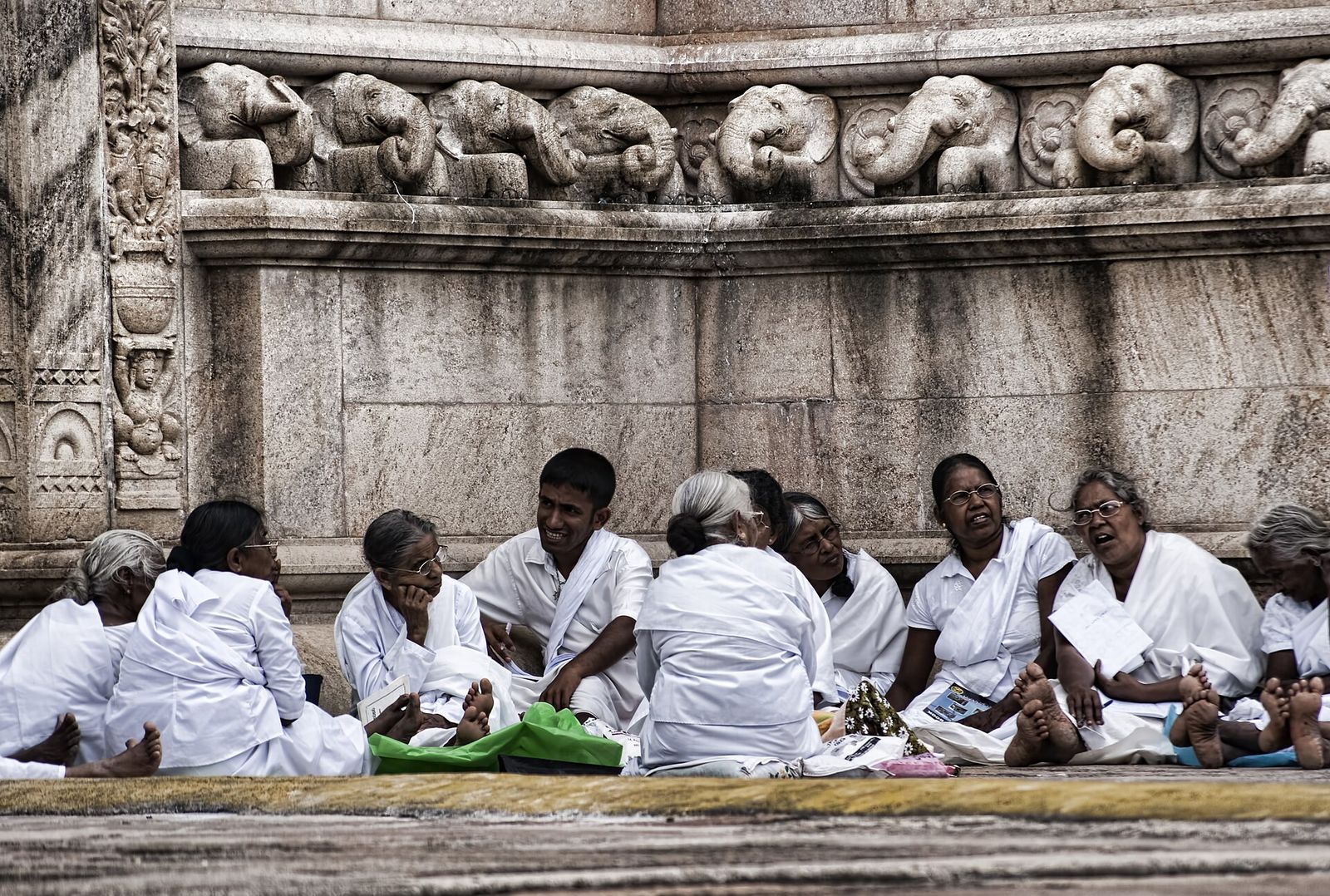
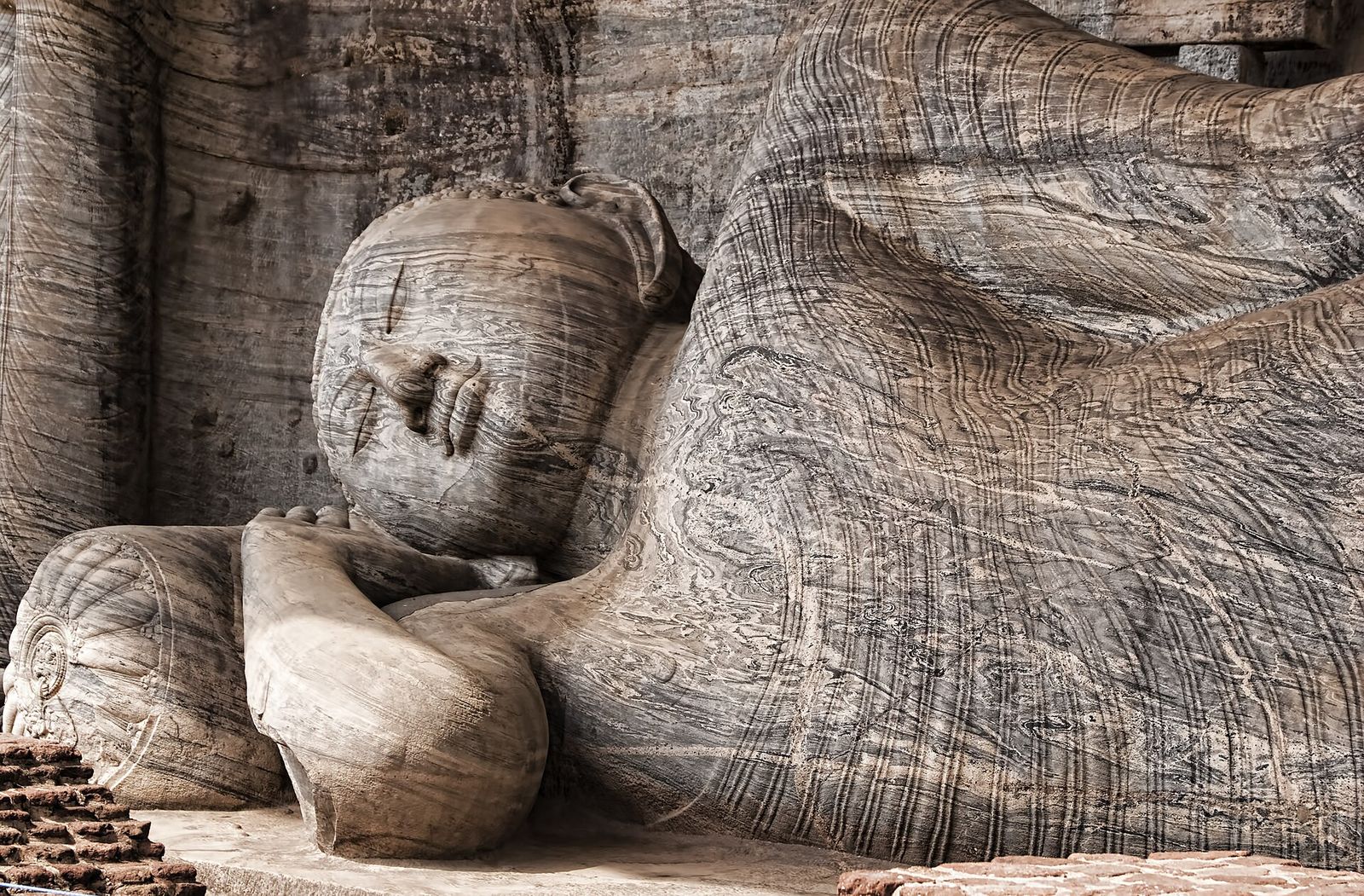
“Our ancient capitals are probably too much to fit into a single trip.”
She's right on five nights. Included so it's a deliberate choice, not an oversight.
Part four
Safari
“All along the highway, so very accessible”
Udawalawe · off the southern highway
Elephants
Six hundred and fifty of them across 30,000 hectares, resident year-round — so unlike most safaris this isn't a gamble. The 06:00 dawn drive is the one to take.
“There's also safaris you can do if you head down South after the wedding. It's all along the highway, so very accessible.”
Yala
The leopard question
Yala has one of the densest leopard populations on earth, and the Sri Lankan leopard is its own subspecies — bigger than its mainland cousins, with no competition at the top of the food chain.
But December isn't its window. Sightings peak in the dry months, February to June, when the animals come to the waterholes. In December go to Udawalawe for the elephants and take a leopard as luck.
Where you already are
Colombo
You get the 29th, the 3rd and the 5th loose inside the wedding week. Fort and Pettah on foot is the walk — colonial warehouses, the oldest clock tower in Asia, then the markets and the Red Mosque.
Go early. Pettah is brutal by mid-morning, and the mosque and temples want covered legs and shoes off.
Colombo
Seema Malaka
A meditation pavilion floating on Beira Lake, designed by Geoffrey Bawa in the 1970s after the original sank. Bawa is the reason so much of modern Sri Lankan architecture looks the way it does.
His De Saram House on Ward Place takes guests — one of the more interesting places you could spend a night in the city.
Throughout
Eat the rice and curry
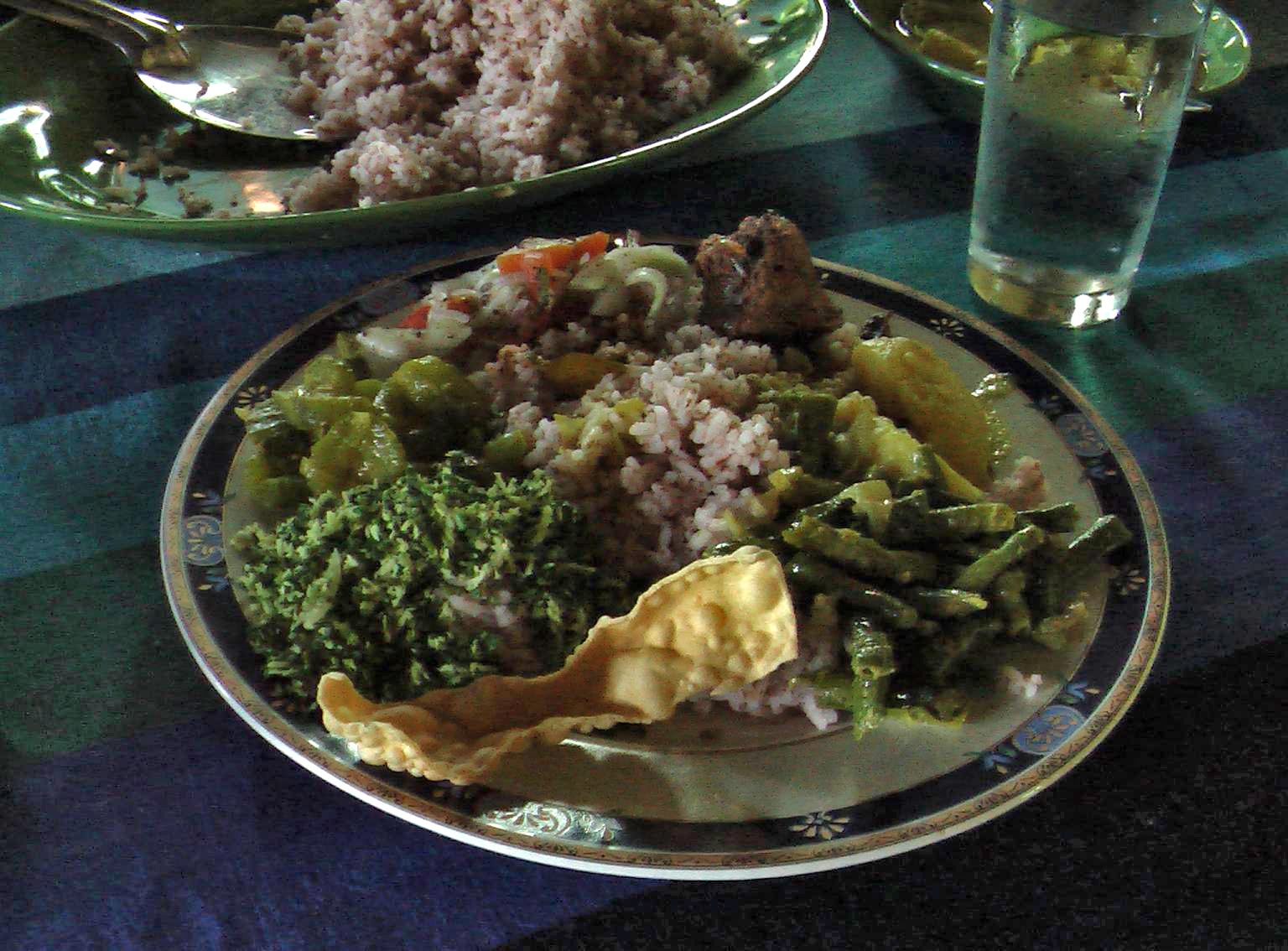
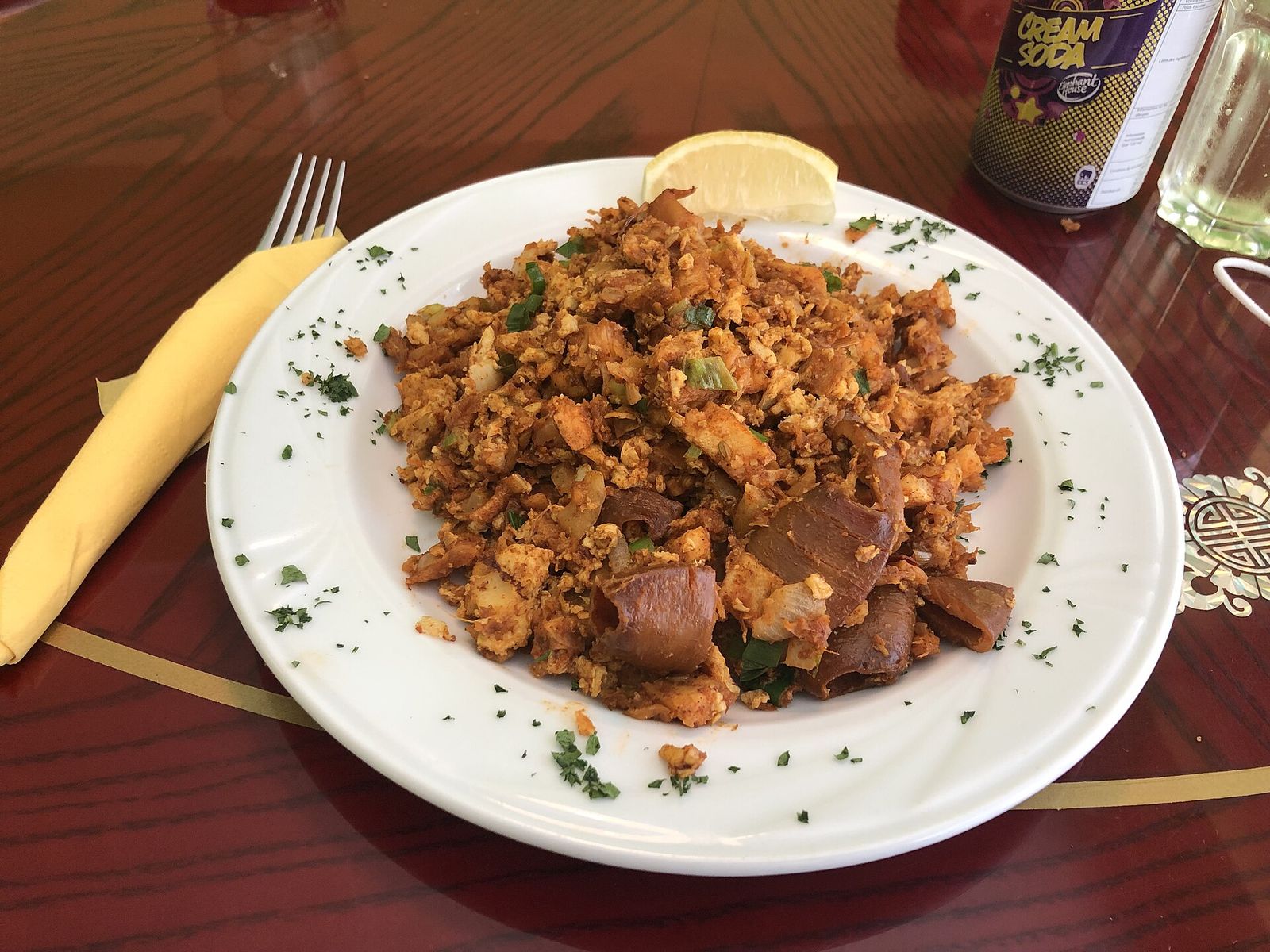
The couple's own list: Gini for the best Sri Lankan cooking in Colombo · Culture Colombo for hoppers and pittu · Olai Manai for Jaffna home cooking, order ahead · Kampong for the Station Gimlet.
How this fits your five nights
6–10 December, flying home at 12:55 on the 11th. You can have two of these regions properly, or one of them slowly.
Coast only
Galle ×2 + Mirissa ×3, or five nights in one. Most walking, least driving, whales included.
Matches your brief best. Chanu's “excellent base”.
Coast + up country
Galle ×2 then Haputale or Ella ×3. Two completely different landscapes, and the tea history.
The catch: 5–6h back to the airport from Ella. Needs a repositioning night.
Coast + triangle
Sigiriya ×2 first, then Galle ×3 — long drives while fresh, ending near the airport.
The catch: close to a full day of the five in a car.
Full costings, hotels and drive times are in the vault: where to go after the wedding and hotel recommendations.
She asked for something back
“Once you give us a wishlist, timeline and rough budget, we can give you a better steer.”
Timeline
Free from the morning of Sun 6 Dec. Flying Fri 11 Dec, 12:55. Five nights. Not driving.
Wishlist
Walkable towns with some history. One whale trip. Possibly the tea areas and that factory tour. Prefer two bases, not five.
Budget
Roughly £350–700 for the five nights all in — hotels, transfers, food, one boat.
And two things only she can answer: which tea factory hotel she meant at Haputale — and whether the 2 December wedding-party day trip goes to Galle, because that changes whether you go back there afterwards.
December 2026
Go and walk around
A fort you can circle in an afternoon, a ridge you can see the sea from, and a blue whale before breakfast.
Photographs
All images from Wikimedia Commons under free licences (CC0, CC BY, CC BY-SA, FAL). Photographers, in order of appearance:
dronepicr · Ankur Panchbudhe · shankar s. · A. Savin · Ruchira159 · Jakub Hałun · Praveenshashika · Alexey Komarov
Peter van der Sluijs · Satdeep Gill · Adbar · Vyacheslav Argenberg · by Anjadora · Nisal Senanayaka · AntanO · Pamuditha2000
Gayomiw · Ji-Elle · Philip Nalangan · Walter Gehr · Sriyantha Peramunagama · AdrianRanasinghe · AKS.9955 · Thilina Alagiyawanna · Dankesie
Quotations from Chanu are from your WhatsApp conversation of 30 September 2026. Historical notes are summarised from public sources and worth double-checking before you repeat them at dinner.